
From Campus Slogans to Meme Reality: A Look at the Changing Student Movement
The student protests of July 20 in Delhi and other parts of India this year marked a major departure from students’ movements and protests in the past. While the crisis around examinations and employment sparked this protest, the political language of memes and reels held up a mirror to the long history of police force being used against teenagers and young people. Saurabh Kumar* gives us a visual eye-witness record of the protest and reflects on the violence deployed against student movements since 1997.
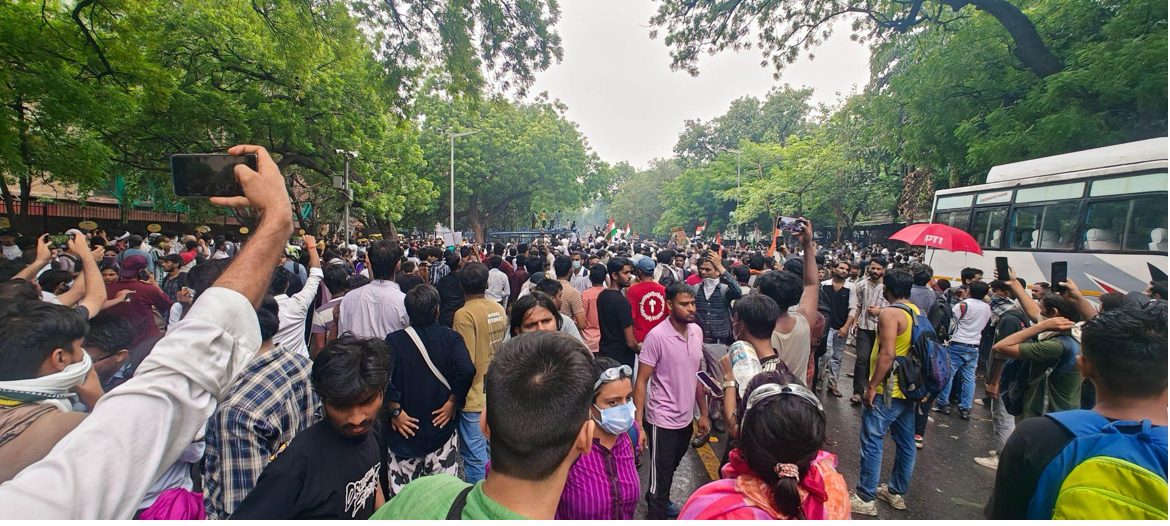
On July 20 this year, a leaderless mass moved towards Lutyens’ Delhi. At first, journalists and social-media influencers and commentators close to the government described the protest as a directionless crowd given to crude abuse. What was harder to acknowledge was that, perhaps for the first time, young people arriving from different parts of the country appeared determined to march towards Lutyens’ Delhi on their own, without the machinery of any major organisation behind them.
While they initially gathered under the banner of the newly formed satirical youth movement – CJP, they were joined by progressive forces like AISA, SFI, ALIYSA and many more individuals.
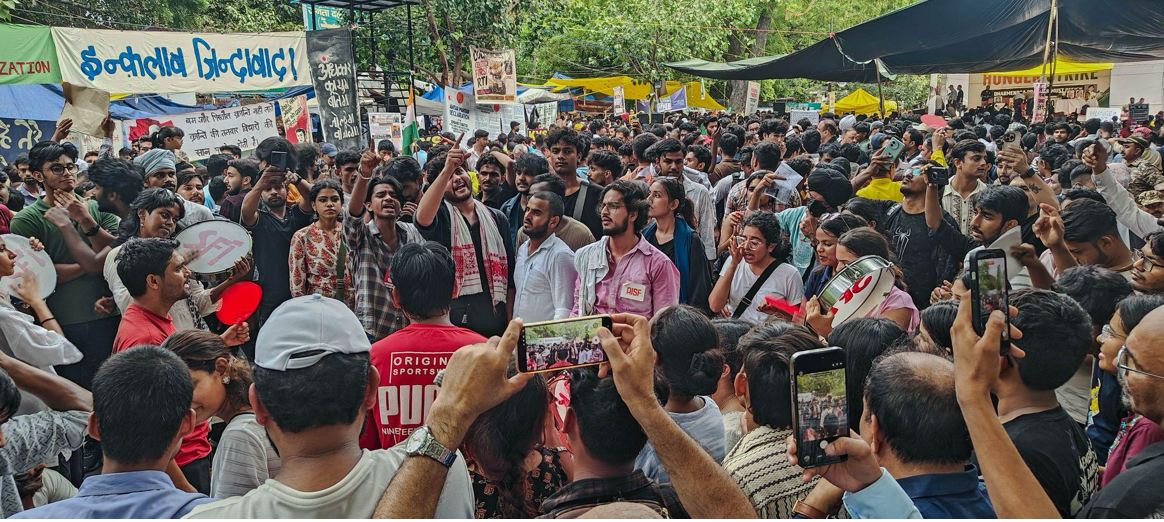
The reason was not difficult to see. In 2026 alone, corruption running through the education system had pushed the futures of lakhs of students back by a year, while nearly 21 young people had died by suicide. The NEET exam paper leaks, followed by the CBSE OMR sheet marking issues, paper leaks in entrance exams for government jobs which had become routine, and the overall privatization of education had reached boiling point. The issued coalesced into the demand for the resignation of Union Education Minister Dharmendra Pradhan.
For this generation, the demand was almost as basic as calling out the head of a household for a mistake and expecting him to acknowledge it. Instead, the government of the ‘supreme leader” made every possible attempt to crush the protest and the police and the RAF were given a free hand on 20 July .
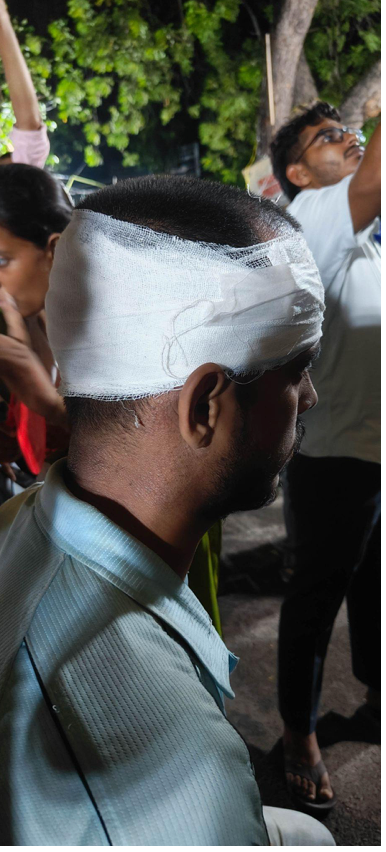
Police action began on Ashoka Road sometime between one and two in the afternoon. By evening, it had spread towards Palika Bazaar and the surrounding areas. Through tear gas, a brutal lathi-charge and pellet-gun fire, injured and scattered young protesters kept finding their way back to Jantar Mantar until after dark—some in groups, others alone.
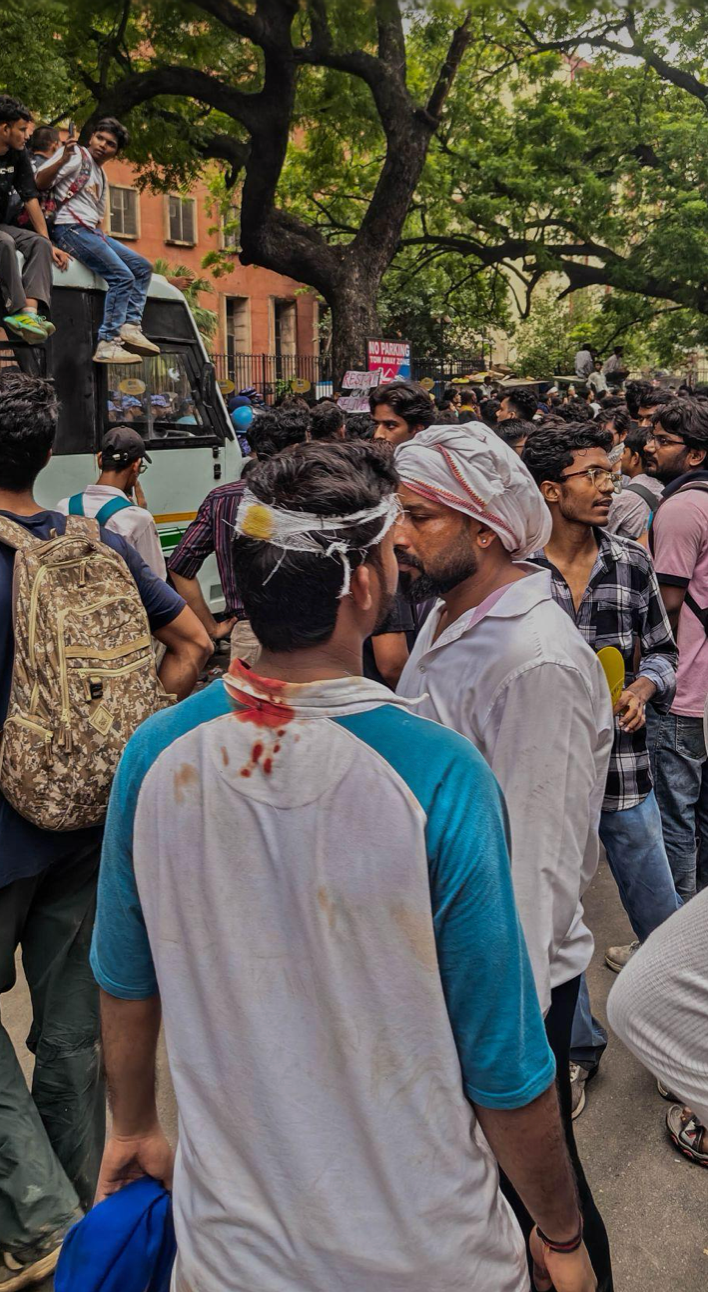
Some returned with their heads split open. Many protestors bore bruises in their backs and bodies, their faces bearing an innocent tearfulness, mixed with fear, humiliation and shock.
Yet, they returned.
With the route from Lodhi Road to Jantar Mantar barricaded, I walked nearly four and a half kilometres, trying along the way to get some sense of the number of protesters. What mainstream national media reports described as a gathering of thousands, or tens of thousands, was in fact many times larger. At around 1 pm, after meeting a few journalist colleagues I knew, it became clear that the number of protesters had crossed one lakh.
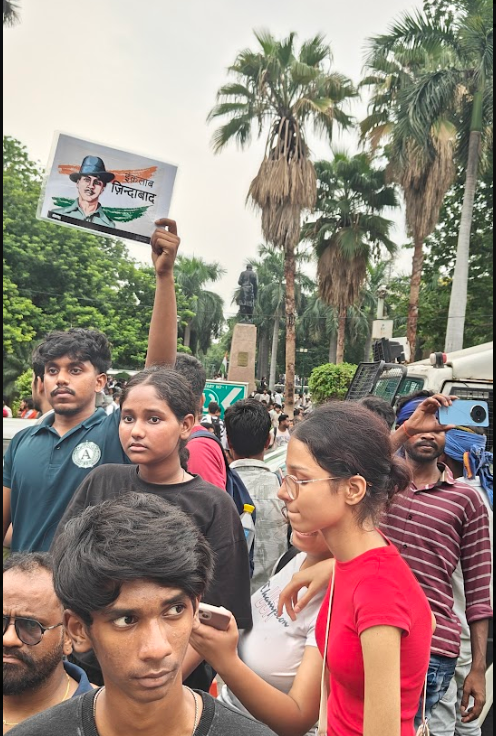
Whatever happened on Delhi’s streets on 20 July travelled, between 21 and 25 July, into almost every mobile phone in India in one form or another – as reels, social media posts or youtube videos – showed graphic images of injured faces, police batons, memes, abuse, and yes, even dancing protesters—and imprinted forever the image of a generation that refused to bend its back even while being beaten by the police.
Jantar Mantar: The Opposition’s Magic Mantra, or a Storm of Young People Disillusioned with the System?
On June 28, 2026, following the CJP’s call, Sonam Wangchuk and students from several protesting organisations, camped under plastic tarpaulins to the right of the stage, began a hunger strike at Jantar Mantar. For the first 18 days, the national media largely kept its distance. In its absence, independent journalists took on the task of carrying the protest to the public, posting almost minute-by-minute updates on YouTube and Instagram.
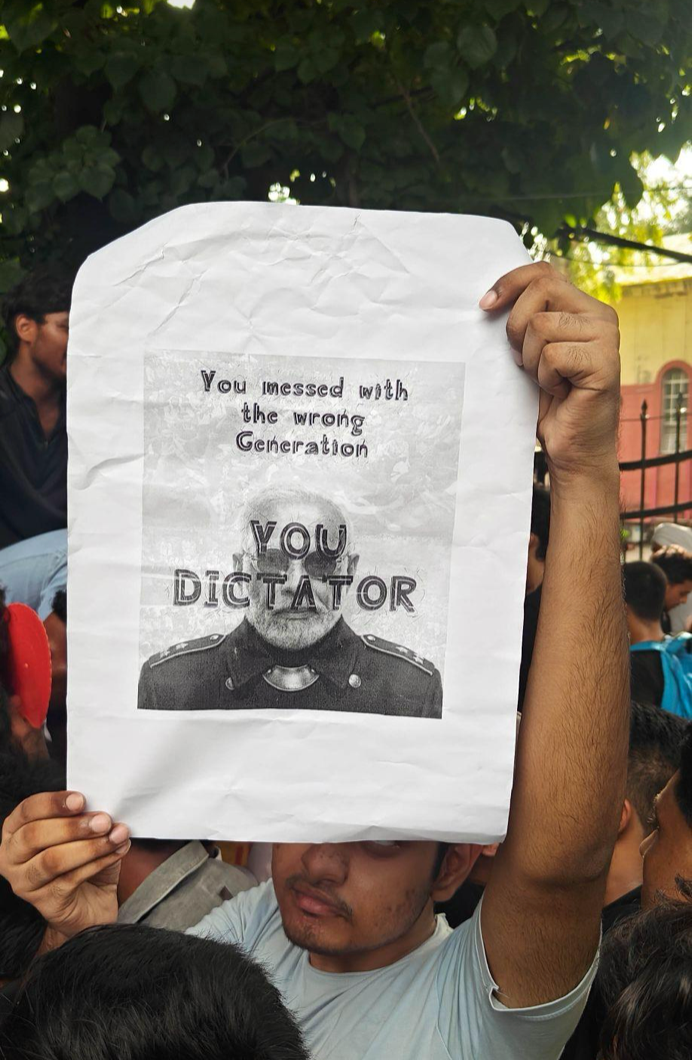
It would be convenient to dismiss those gathered at Jantar Mantar as a crowd of students from elite universities, a battalion dispatched by the Opposition, or the handiwork of some foreign power. Repeating these accusations loudly—or abusively—does not make them true. I visited the protest four times, spoke to several protesters, and tried to decode, in my own way, the posters held by young people sitting in different groups, the wallpapers on their phones, their songs and their live performances.
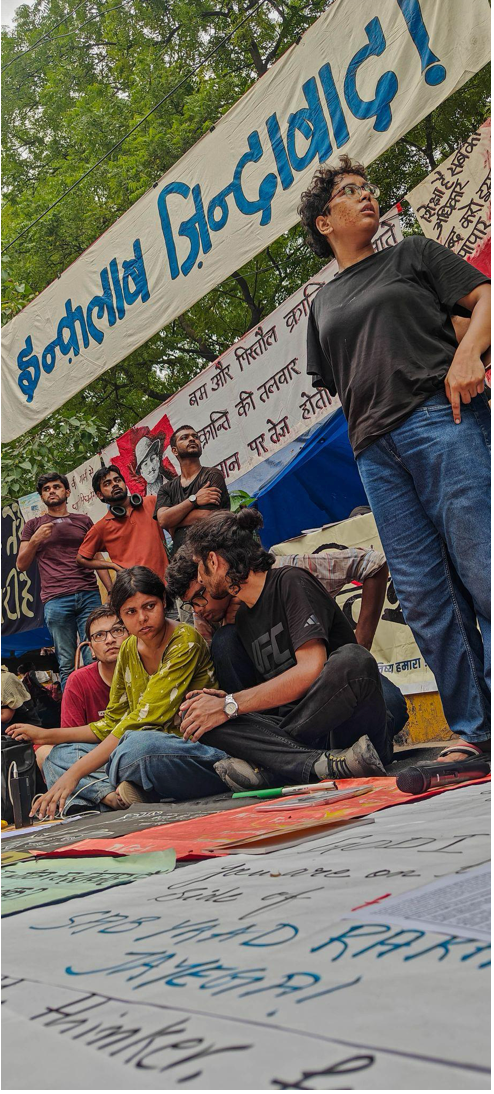
There was Ravi, a postgraduate from Jehanabad in Bihar, who told me, “I have come for the country.” There was Betu Yadav, an MBA student from IIT Patna, who said she had left her job as an academic counsellor and had been part of the protest since the first day.
There was Junaid, a 20-year-old woodworker from Saharanpur, who was not preparing for any competitive examination but had come in support of the students. And there was 42-year-old Sagar Jha, who worked in catering in Pune and had been there for fourteen days, simply for the future of his children.
There were law students and UPSC aspirants; young people studying at ITIs; singers and social workers; Class 12 graduates working for mobile-phone companies, driving cabs or doing gig work; and workers carrying the responsibility of supporting their families.
There was no single organisation holding this crowd together. What connected them was a distrust of the examination system, uncertainty over employment, the weakening economic confidence of their families, and the fear that years of study and preparation could be rendered meaningless by a leaked paper or a corrupt recruitment process. It was also, the anger, as AISA national president Neha Bora said in this interview with The Hindu’s G. Sampath.
According to official labour data for 2025, unemployment among those aged 15 to 29 stood at 9.9 percent, rising to 13.6 percent among urban youth. But even these figures leave out another category: young people preparing for examinations, who are technically counted as students rather than unemployed, even as an entire family may be investing its hopes and resources in a single examination that promises a job.
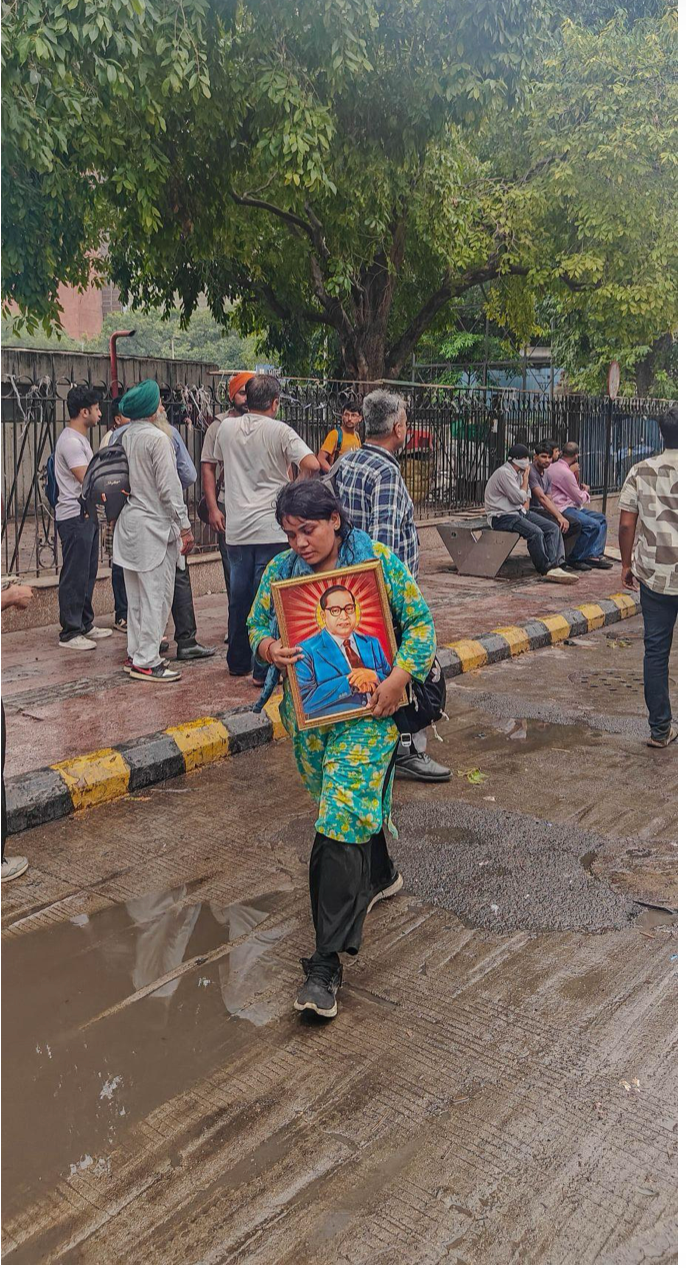
The 2026 NEET paper leak affected nearly 20 lakh candidates. The CBI later filed charges against 13 people, including experts linked to the National Testing Agency, middlemen and individuals associated with coaching institutes. This movement, then, was not an emotional outburst over a single examination. Its ground had been prepared over years.
The State Versus Teenagers and Young People
The most disturbing thing about the images from 20 July was not merely the number of injuries, but the age of those injured. Field documentation showed a large number of teenagers and young people in their twenties among the injured. Delhi Police officially said that around 60 protesters and 118 police personnel were injured. Independent documentation and information coming from hospitals, however, point to a considerably higher figure—around 200 injured protesters.
Three different kinds of lathis or striking implements were used, along with pellet guns. Their precise technical identification, whether their use was authorised, and whether it complied with police protocol still require independent verification. Several senior advocates are now raising these very questions before the courts.
At least four people, including a journalist, have been identified as having suffered serious pellet injuries. The Safdarjung Hospital medical case sheet of a 26-year-old man injured by pellets on 20 July offers a clearer picture of the nature of this violence. The hospital record notes the patient’s account of being hit by a “pellet gun” at Jantar Mantar at around 4 pm. Doctors recorded multiple circular and oval puncture wounds, measuring between 2 and 4 millimetres, on his right hand, elbow, back and flank, surrounded by bluish internal bruising and rounded injuries caused by the projectiles.
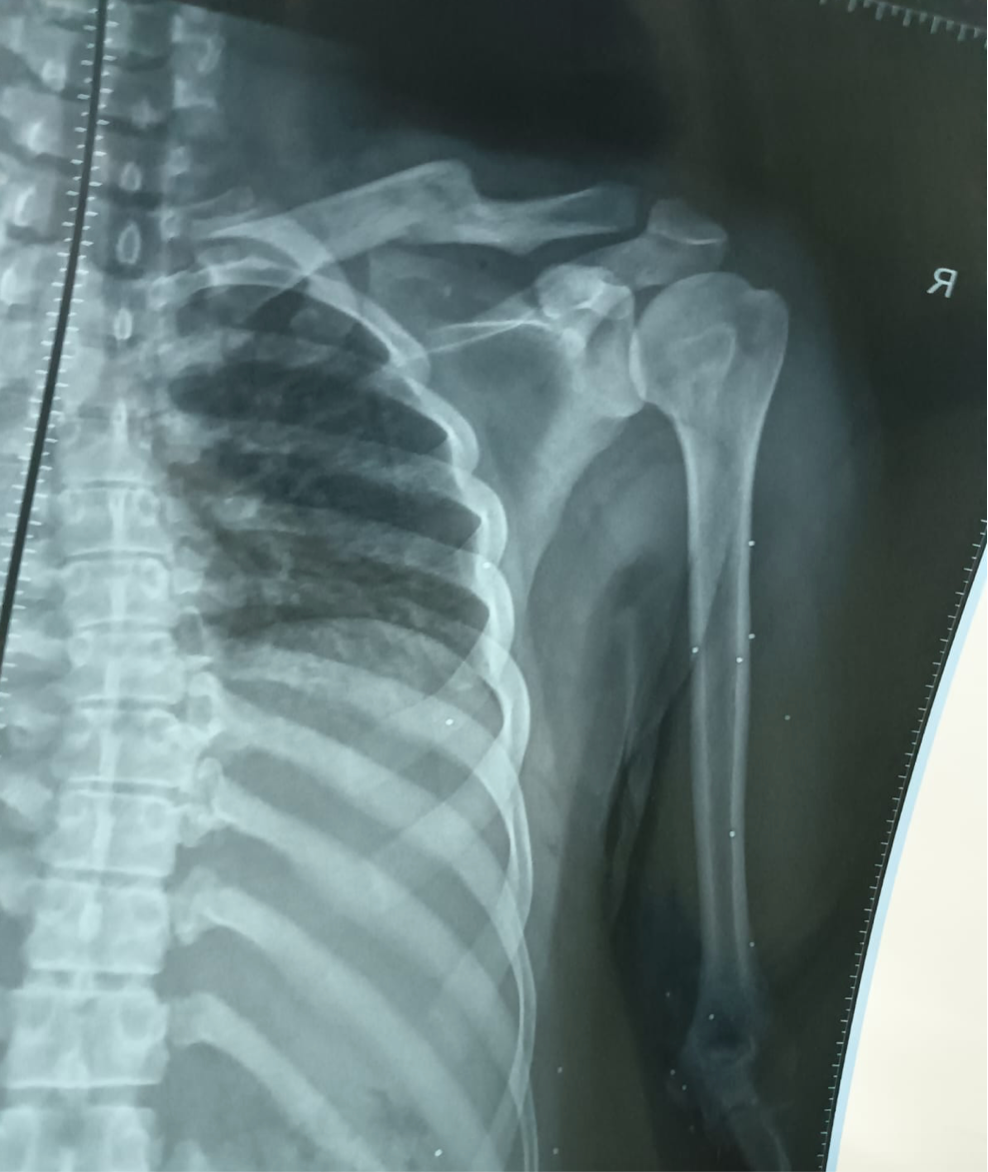
The medical note explicitly describes them as wounds caused by the penetration of pellets. Across different parts of his body, the number of recorded wounds runs to nearly twenty X-rays recorded multiple foreign bodies lodged beneath the skin. The available X-ray films also show several small fragments resembling bone, metal, glass or similar material. The medical record, however, does not establish whether these foreign bodies were plastic or metal. That distinction matters. The RAF general diary describes the ammunition used as “plastic pellets”, while several reports have described the particles visible in the bodies of the injured on X-rays as metallic.
Between the Uniform, the Institution and Accountability
An RAF general diary entry accessed by The Hindu records the use of 55 non-electrical shells, 15 electrical shells, five tear-smoke grenades and two ballistic cartridges containing plastic pellets. According to the record, the firing took place on the orders of the DCP. The Supreme Court later directed that the RAF’s ammunition log be preserved, while observing that pellet guns should be restricted to exceptional circumstances.
But the story of force used on 20 July cannot be reduced to an inventory of weapons.A video from the same day shows Additional DCP Sandeep Lamba slapping a woman protester. Referring to the footage before the Delhi High Court, senior advocate Gopal Sankaranarayanan said that the woman appeared to be doing nothing at the time and that the slap seemed “unprovoked”. An attempt was subsequently made to lodge a police complaint against Lamba
A few days later, the same video surfaced before the Delhi High Court in an entirely different case. That case was not an inquiry into the police action of 20 July. Lamba was supervising a court-directed inquiry into the alleged illegal detention of a 68-year-old woman in 2025. Citing the slapping video, the petitioner questioned his impartiality and sought to have the inquiry transferred to another officer. The court declined. Justice Girish Kathpalia said that if the officer had done something wrong, he must face the consequences, but that this did not make him biased in every case. During the same hearing, the court said: “Stop discrediting the institution.”
The court also observed that an officer’s entire reputation could not be tarnished merely because a video showed him slapping a woman; nor did the fundamental right to protest extend to damaging a “centre of sovereignty” such as Parliament. It also raised the possibility that matters could have turned far more violent had the crowd entered Parliament.
This is where 20 July leaves behind a difficult question. A uniformed officer slapping a woman in front of a camera may be the act of an individual. But does questioning the impartiality of the institution on the basis of that act amount to discrediting the institution itself? And if a citizen must wait for the entire judicial process against an officer to run its course before questioning the credibility of the institution on the basis of police conduct, where exactly does institutional accountability begin?
There were other such questions surrounding the police action on 20 July. When videos of a nail-studded lathi appeared on social media, Delhi Police and the PIB dismissed them as “fake”, saying they were unrelated to that day’s protest. An Alt News investigation later used video metadata, geolocation and eyewitness accounts to establish that the footage was indeed from 20 July and that a police officer could be seen holding a lathi fitted with nails.
Then there was the truck filled with stones seen near Jantar Mantar that morning—a story caught somewhere between rumour and official explanation. An investigation by Awadhesh Kumar for Newslaundry found that the truck had been seized by the police after a road accident on 16 July and was in the custody of the Parliament Street police station. But how did a vehicle in police custody arrive near the protest site on the morning of 20 July loaded with stones? Why was it later seen at different locations? And when exactly was it emptied?
Police officers offered different answers to these questions. The Newslaundry investigation does not establish a planned conspiracy. But a vehicle in police custody repeatedly changing locations, accompanied by contradictory explanations, certainly raises questions about the policing arrangements that day.
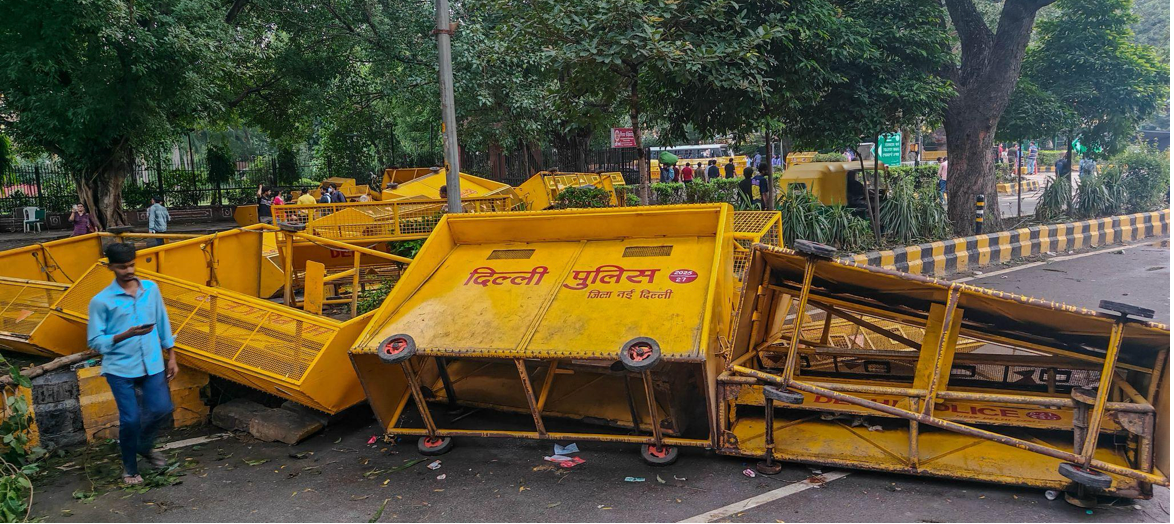
Taken together—the barricades, buses used to block roads, repeated tear-gas firing, pellets, different kinds of lathis, questions about men in plain clothes and the number of injured protesters—the day offered the image of a police apparatus intent on dispersing this gathering by whatever means necessary.
And this question did not begin on 20 July.
Over the past decade, the police force of the capital of a deeply diverse country has repeatedly faced allegations of political and ideological partisanship. At one moment, the police are seen entering Jamia’s library and beating students; a few weeks later, questions are raised about their alleged inaction as masked attackers run riot in JNU.
At one point, the High Court questions the delay in registering an FIR over Kapil Mishra’s speech; at another, the police’s first affidavit concerning an event where an oath to establish a Hindu Rashtra was administered prompts the Supreme Court itself to demand a fresh response. There is no judicial declaration tying these incidents together to say that the Delhi Police is the “Sangh’s police”. But the question of its politically unequal conduct has returned to the public record again and again.
The question raised by 20 July in Delhi, then, was not simply how much force the police used. It was also about which citizens the state chooses to see as a threat, and which weapons and exceptions it normalises in order to deal with that threat. The most terrifying chapter of this history had already been written long ago, nearly eight hundred kilometres from Delhi—in Kashmir.
From Machil to Tufail: When ‘Less-Lethal’ Weapons Became a System of Mass Blinding
The Machil fake encounter prepared the ground for the 2010 uprising in Kashmir; the death of 17-year-old Tufail Ahmad Mattoo carried that anger across the Valley. In April 2010, Shahzad Ahmad Khan, Riyaz Ahmad Lone and Mohammad Shafi Lone of Nadihal village were taken from their homes on the pretext of being offered work as porters for the Army. The three were killed in a fake encounter in the Machil sector and passed off as Pakistani infiltrators. Once their identities became known, what followed was a leaderless wave of protest among ordinary young Kashmiris demanding justice.
According to Amnesty, on 11 June, Tufail Ahmad Mattoo was returning home from tuition when two policemen were accused of killing him; eyewitness accounts and post-mortem details indicated that a tear-gas shell had struck him on the head. His death turned the anger that had been accumulating since Machil into a much wider youth uprising.
What followed was a cycle in which the death of one young person gave birth to the next protest, and the next protest ended in another death. Within three months, more than a hundred civilians were killed in firing by security forces and the excessive use of force.
It was against this backdrop that the government introduced pellet-firing shotguns in Kashmir as a supposedly ‘less-lethal’ alternative to live ammunition. According to human-rights organisations, their first publicly documented use against a crowd took place in Sopore on 14 August 2010.
But the pellet gun never became some humane technology that prevented deaths. A 12-bore pump-action shotgun releases dozens, sometimes hundreds, of tiny metal pellets in a single shot, with no real way of controlling where each one travels. They do not distinguish between a protester and a passer-by, a child and someone standing inside a home. And so a weapon described as ‘non-lethal’ created an entire generational memory in Kashmir: of eyes taken away, faces riddled with pellets, and metal lodged permanently inside bodies.
Pellet guns were introduced during the 2010 uprising, but their most extensive and systematic use came after the killing of Burhan Wani in 2016. Between July 2016 and February 2017, 6,221 people were reported injured by pellets; 782 of them suffered injuries to their eyes.
Sixteen years later, when pellet wounds appeared on the faces and bodies of young protesters in Delhi, that history of Kashmir returned to the heart of the capital. A weapon once normalised in the name of Kashmir’s ‘exceptional circumstances’ had now been recorded being used in the national capital against young people demanding education and employment.
The New Language of Protest: A Different Story in Every Direction
In the words of satirist Sunil Sharma, better known as Rofl Gandhi: “Jantar Mantar looked as though you had stepped inside the world of reels. A different story was unfolding in every direction.”
The protester who arrived here was not part of the disciplined crowd seated before a speech-making stage of the kind associated with Anna Hazare’s Jan Lokpal movement. Someone was holding a camera up to the police and asking questions; someone else was filming a video immediately after being beaten with a lathi; another was performing a meme, while someone else finished a reel by joking around with a policeman.
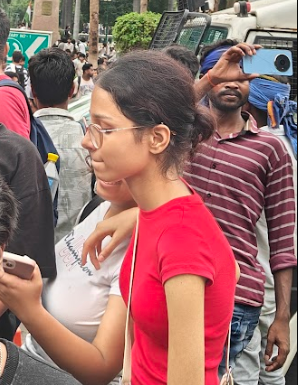
The mobile phone here was not merely a recording device. It was a stage, a witness, a news channel, a shield and a means of organising—all at once.
In older student movements, a slogan usually travelled from the ideological language of an organisation to the crowd. Here, the slogan emerged from a meme, turned into a reel, travelled through WhatsApp groups, and then returned to the street as a poster. CJP too first emerged through online satire; within days, crores of people had connected with its social-media accounts. The protests that followed made online humour and offline mobilisation extensions of each other.
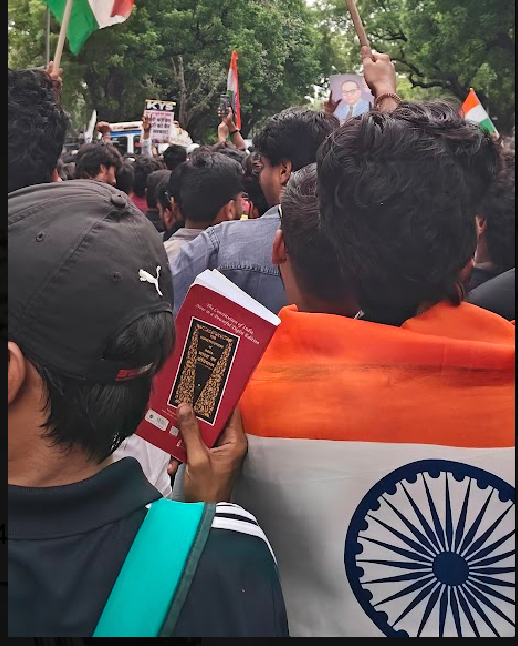
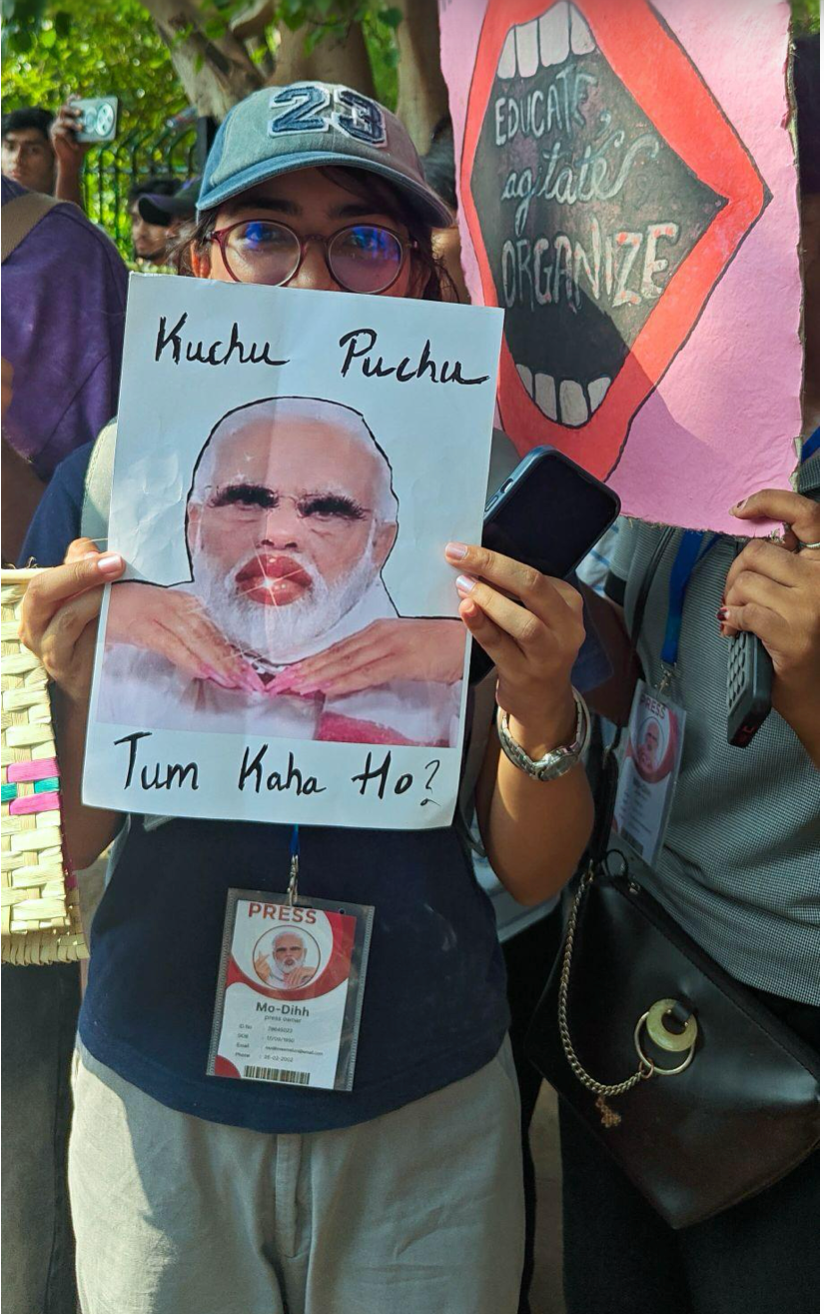
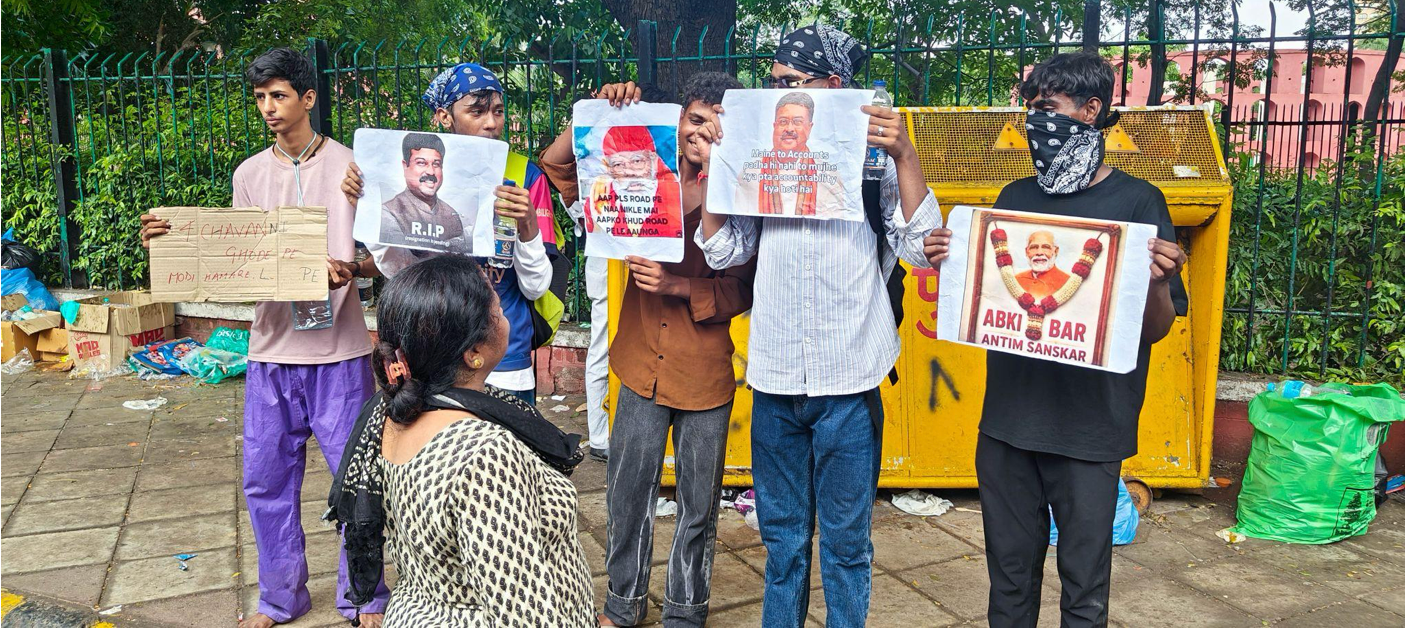
The language of this movement could be extraordinarily inventive, childish, obscene and intensely political—sometimes all at once. There was no central editor. So posters about the Constitution, education, employment and accountability could exist in the same protest alongside personal abuse and some rather ‘special’ remarks about Modi.
Who Prepared the Ground for the Abuse?
It may be convenient to imagine that the language of this generation emerged in a vacuum. But this is also a generation that has barely seen any government other than the BJP at the Centre. Its first encounters with politics came through parliamentary proceedings, television debates, election speeches, IT-cell videos, WhatsApp messages and social-media clips.
It watched BJP MP Ramesh Bidhuri use communal and insulting language against a Muslim MP inside Parliament. It heard the Prime Minister use the word ‘infiltrators’ for Muslims at an election rally. It watched Kapil Mishra, standing beside a police officer, issue an ultimatum to clear the road; the following day, violence spread across north east Delhi and claimed 53 lives.
So when references to “56 inches”, “Bal Narendra” and other memes appeared at the protest, they were not merely instances of political bad manners. They were also attempts to turn the language of centralised propaganda around and throw it back at those in power.
The argument here is not that vulgarity from those in power legitimises every abuse hurled by a protester. The question is different: why do the same people who lecture others on the civility of public discourse remain silent about the political genealogy of a language that has been normalised over the past decade and a half through political stages, Parliament, television studios and organised digital campaigns?
In a study of the 2019 Indian general election, researchers examined nearly 600 pro-BJP WhatsApp groups and identified dozens of coordinated hashtag campaigns. It is a useful reminder that digital language is not merely spontaneous popular expression. For years, it has also been an organised political instrument in the hands of power.
This generation is now turning that same instrument against power—only in a form that is more decentralised, more unruly and far more biting.
After Covid: When the Online World Took to the Streets
During Covid, schools, colleges, coaching centres, friendships, entertainment and political debate—all of it had been compressed into the screen of a mobile phone.
This generation studied online, took examinations online, was cheated online, watched recruitment dates being postponed online, and it was online that it shared news of paper leaks, suicides and the employment crisis.
So when this generation finally arrived at Jantar Mantar after Covid, it did not leave the internet behind. It carried the internet onto the streets with it.
Everyone, therefore, was both reporter and subject. The videos recorded during the protest were not merely a memory to be revisited later; in real time, they were challenging the claims being made by the police, the media and the government.
YouTube videos and button-mic reporting have changed who controls the production of news during a protest. Earlier, the television camera decided which face and which slogan would become part of the national spectacle. Now, hundreds of phones produce hundreds of versions at the same time.
This weakens the monopoly of the state and mainstream media, but it also carries the risks of rumour, incomplete information and algorithmic provocation.Research on the anti-CAA–NRC protests had already identified social media as an important means through which individual discontent could be converted into collective mobilisation. By 2026, that process had become considerably faster, and far more driven by visual narratives.
A Beehive That Does Not Need a Queen Bee
Anna Hazare’s Jan Lokpal movement had a face, a stage, a ‘team’, and a relatively sanitised middle-class language against corruption. A section of that movement later gave rise to the Aam Aadmi Party. There was an early expectation that the 2026 movement too would eventually produce a new political party, an electoral face or yet another ‘messiah’. But as the days passed, its structure began to look very different.
Sonam Wangchuk, Abhijit Dipke, Neha and other public faces were certainly important, but no single leader controlled the movement. Across different cities, people assembled through WhatsApp groups, Instagram updates and live locations, without the command of one central organisation.
This was a beehive of young people that did not need a queen bee at all times.That is why the detentions in the early hours of 18 July and the police crackdown of 20 July did not end the movement. Instead, they produced new videos, new faces and new local protests. Detaining one recognisable face could no longer shut down the source of the message.
The Long History of Police Repression and Student Protest
It is easy to treat 20 July as an event detached from history. But in India, campuses, unemployed job aspirants and the police have repeatedly found themselves facing one another.
1997: Chandrashekhar Prasad
Chandrashekhar Prasad, twice president of the JNU Students’ Union, chose not to remain within the relatively safe political corridors of Delhi. He returned to Siwan to work among workers, farmers and students. On 31 March 1997, he was assassinated while addressing a street-corner meeting connected to a workers’ strike in Siwan. Thousands of enraged JNU students subsequently took to the streets of Delhi and marched towards the Prime Minister’s residence. The police responded with a lathi-charge, leaving more than 50 students injured. And this is the same Siwan where, after 20 July, police fired nine rounds from an AK-47 at protesting students.
Chandrashekhar represented an older tradition of student politics, one in which ideology, organisation, long-term work among people and personal risk went together; a tradition in which student movements travelled out of Delhi and into distant parts of the country. The language of today’s movement may be entirely different from his, but the questions that connect them remain remarkably similar: education, corruption, employment and what it means to stand against power.
2016: Rohith Vemula and the University of Hyderabad
Rohith Vemula’s institutional death turned caste discrimination within institutions of higher education into a national political question. A line from his final letter—“My birth is my fatal accident”—travelled far beyond a personal tragedy to raise a much larger question about the relationship between institutions, caste and human dignity.
In March 2016, police acted against students protesting the return of Vice-Chancellor Appa Rao. Dozens of students were subjected to police brutality and arrested. Here, the institution and the state did not appear as separate entities, but as structures protecting one another.
2018: The SSC Paper Leak
Thousands of aspirants reached Parliament Street to protest alleged paper leaks and large-scale irregularities in SSC examinations. Protesters alleged a lathi-charge; Delhi Police described it as jostling and an operation to disperse the crowd. A total of 207 people were detained.
In other words, taking to Delhi’s streets against a paper leak was not an idea that suddenly appeared in 2026.
2019–20: Jamia, JNU and the Anti-CAA–NRC Protests
On 15 December 2019, Delhi Police entered the campus and library of Jamia Millia Islamia. More than a hundred students were injured in the tear-gas firing and lathi-charge. Videos that emerged later showed police personnel beating students inside the library.
On 5 January 2020, masked attackers armed with sticks and iron rods assaulted students and teachers at JNU. Dozens were injured, while the police faced allegations of failing to intervene despite being present at the site.
Later that year, 53 people were killed in the violence in northeast Delhi, 40 of them Muslims. In a viral video, policemen could be seen beating Faizan and four other injured Muslim men and forcing them to sing the national anthem. Faizan died the following day. In 2026, a Delhi court summoned two policemen in the case.
This history matters because state violence does not always arrive in the form of a lathi. Sometimes it means entering a campus. Sometimes it means standing by before a violent mob. Sometimes it means forcing injured men to sing the national anthem. And sometimes it means placing protesters in the category of the ‘anti-national’.
2022: The Railway Recruitment Protests
Large protests broke out across Bihar and Uttar Pradesh over the RRB–NTPC examination results. In Prayagraj, police were accused of entering student hostels and lodges and beating students. The Uttar Pradesh administration later suspended six policemen following the action.
For many of the young people who joined the 20 July movement, all these events existed together in memory. They may not have witnessed them first-hand, but their phones had shown them these images again and again.
‘Foreign Funding’ and the Government’s Ready-Made Ecosystem
Over the past decade, almost every major mass movement has, at some point, been presented as the work of foreign powers, Opposition parties, urban Naxals, Khalistanis, jihadists, anti-nationals or a ‘tukde-tukde’ conspiracy.
It is a familiar ecosystem, built across the state, the party, cable television and social-media networks: instead of debating the actual social conditions that produce a movement, the search begins for the hidden ‘mastermind’ supposedly lurking behind it.
The 2026 movement was no exception. It was called ‘sponsored’, ‘Opposition-run’, and a protest of people who were ‘not real students’. BJP leader Ramesh Bidhuri went so far as to say that there were more ‘puncture repairers’ and ‘locksmiths’ at the protest than students.
But the remark does not disprove the social diversity of the movement. If anything, it can be read as an attempt to turn the political presence of working people into an insult.The presence of a woodworker like Junaid at Jantar Mantar does not make this any less of a student movement. It makes the question larger: does the failure of education and employment affect only the person sitting for an examination, or the entire society whose future is tied to theirs?
Visible and Invisible Injuries, but the Questions Remain
20 July cannot be understood merely through the number of people detained, vehicles damaged or injuries officially recorded. Its fuller picture lies in the injuries the cameras did capture—split heads, backs turned black with bruises, swollen legs, faces riddled with pellets—and also in those they could not: fear, humiliation, panic and the trauma that many young people carried home with them. Some returned to the protest site carrying those very injuries as evidence.
We still need to know the sequence in which force was used. Was adequate warning given? What weapons were deployed? Were people in plain clothes authorised to participate in police action? And what degree of physical force was used against teenagers and young protesters? At least four people have been identified with serious pellet injuries; the RAF diary records the weapons used; and there remains the unresolved question between the ‘plastic pellets’ described in official records and the foreign bodies recorded inside victims in some medical documents. Taken together, these are grounds enough for an independent and transparent investigation.
A conversation at Jantar Mantar on 22 July with Saavi, AISA president at Delhi University, pointed to another dimension of the violence. According to her, the action was not limited to dispersing the crowd; it also involved selective humiliation based on identity, clothing and gender. Savi said:
“The police surrounded us near the LIC building without any women officers present, pushed us against the wall, beat us with lathis and abused us while ordering us to leave.”
According to her testimony, women were physically assaulted and humiliated, while allegations also emerged that students in visibly Muslim clothing, Dalit protesters and gender-diverse protesters were targeted more aggressively. These are not established findings. But they are serious testimonies, and cannot simply be dismissed without an impartial investigation.
After the violence on the streets, injured protesters faced another ordeal at RML Hospital. The hospital administration declined to make any formal comment. But during the several hours I spent on the premises, relatives and caregivers accompanying the injured, as well as some staff members who spoke on condition of anonymity, alleged discriminatory treatment and mistreatment.
According to them, seriously injured protesters were made to wait for long periods, taunted while receiving first aid, and in some cases discharged before adequate examination and treatment had been completed. Some also alleged that police personnel arriving with minor scratches were being given priority while protesters with far more serious injuries continued to wait. The allegation that the hospital administration was discharging patients early under ‘pressure from above’ still requires independent verification. But the testimonies surrounding it cannot simply be ignored either.
On 22 July, the Supreme Court declined an immediate request to take suo motu cognisance of videos showing alleged police excesses. In subsequent proceedings, however, the court directed that the RAF’s ammunition records be preserved and issued directions concerning the treatment of the injured. The sequence itself tells us something: the institutional response was hardly linear—first reluctance, then limited intervention.
But perhaps the most interesting scene after 20 July unfolded neither in a courtroom nor in a hospital. It appeared once again at Jantar Mantar.
The police action intended to disperse the movement failed to empty the site in the days that followed. Between 21 and 25 July, young people kept returning. Broken stages and abandoned little encampments came alive again. New people arrived, mobile cameras reopened, posters reappeared, and Jantar Mantar once more became a political laboratory for this generation.
That offered an important clue to the nature of the movement. Perhaps it did not need, at every moment, a messiah, a universally accepted leader or a ‘queen bee’. Removing one person, dismantling a stage or violently driving away a crowd for one evening was no longer enough to shut down the source of the message. That source was no longer a leader seated on a stage. It was a network spread across thousands of mobile phones, small groups and young people arriving from different cities.
And then, as the afternoon of 25 July began to fade, came the news of Dharmendra Pradhan’s resignation.
Until only a few days earlier, that resignation had seemed an almost impossible condition for forcing the government to retreat. Now the news was suddenly flashing across every mobile phone at Jantar Mantar. Film songs played in one corner, memes were being made in another, people shouted elsewhere, and amid all of it was a strangely innocent kind of laughter—the discovery that a government could, after all, be made to admit a mistake.
The celebrations at Jantar Mantar that day were followed by the gradual withdrawal of protesters; selected representatives of the movement also announced that the protest was being called off after the government accepted their demands.
Perhaps, then, the most important achievement of this movement was not simply the resignation of a minister. It cracked the assumption that the present government never retreats in the face of public pressure—that it steps back only when it senses an election approaching, or perhaps when it sees 40 crore ‘new’ voters ahead. The movement pulled questions of education, examinations, recruitment and employment out of the realm of technical administrative failures and placed them squarely within the question of political accountability.
After spending 15 years dominating the world of publicity, Narendra Modi appeared on Instagram at midnight to speak to young people, talking to them like an old-school uncle. Until then, he had not spoken to farmers, nor to Muslims. In fact, the government had gone so far as to suggest that it could continue winning without Muslim votes.
And perhaps more importantly, the movement offered a glimpse of where it might travel next.
Will this energy remain confined to Delhi and the big cities, or will it spread into small towns and the social worlds built around competitive examinations?
Can this generation turn its digital language into a durable political organisation?
Can a meme replace an institution, or is it merely a new route towards building one?
Can a leaderless, decentralised movement develop the capacity to deal with its own problems of violence, abuse, misinformation and accountability?
And above all: when young people ask the state for dialogue, answers and reform, why are they answered with barricades, tear gas, pellets and lathis?
On the evening of 20 July, injured and stunned young people had returned to Jantar Mantar—some in groups, some alone. One had a bandage around his head, another had deep wounds on his leg; some sat silently, while others opened their cameras and began speaking again.
Five days later, at the same spot, they were reading about a minister’s resignation on their phones.
Perhaps the largest political meaning of this movement lies in that small distance. For the first time, this generation had measured through its own experience the distance between taking a beating and making the government concede a demand.
Their return was not merely a return to the protest site.
It was a political statement in itself.
The injuries were visible. Accountability remained incomplete.
But perhaps, for the first time, this generation had also seen that sustained pressure could force power to retreat.
The questions remain exactly where they were. But the people asking them are no longer the same.
*Saurabh Kumar is an independent multimedia journalist, researcher, documentary filmmaker and founder of Opia films, a Delhi-based production house that creates impactful content about critical social issues. All images by Saurabh Kumar. This commentary was first published in Hindi by Samkaleen Janmat web portal, and translated into English by Anuvad Samvad.
Related

Commentaries