
जेल में कैद पत्रकारों के लिए विश्व प्रेस स्वतंत्रता दिवस का अर्थ
What Does World Press Freedom Day mean to Jailed Journalists in India?
This World Press Freedom Day 2026, Free Speech Collective poses this question for two journalists who are behind bars in India – Jharkhand-based Rupesh Kumar Singh and Jammu and Kashmir journalist Irfan Mehraj. Rupesh Kumar Singh was arrested on July 17, 2022 , on charges under the draconian Unlawful Activities (Prevention) Act (UAPA), 1967, and a trial is on. Irfan Mehraj, editor of Wande magazine was arrested on March 20, 2023, on charges under UAPA. The trial is yet to begin.
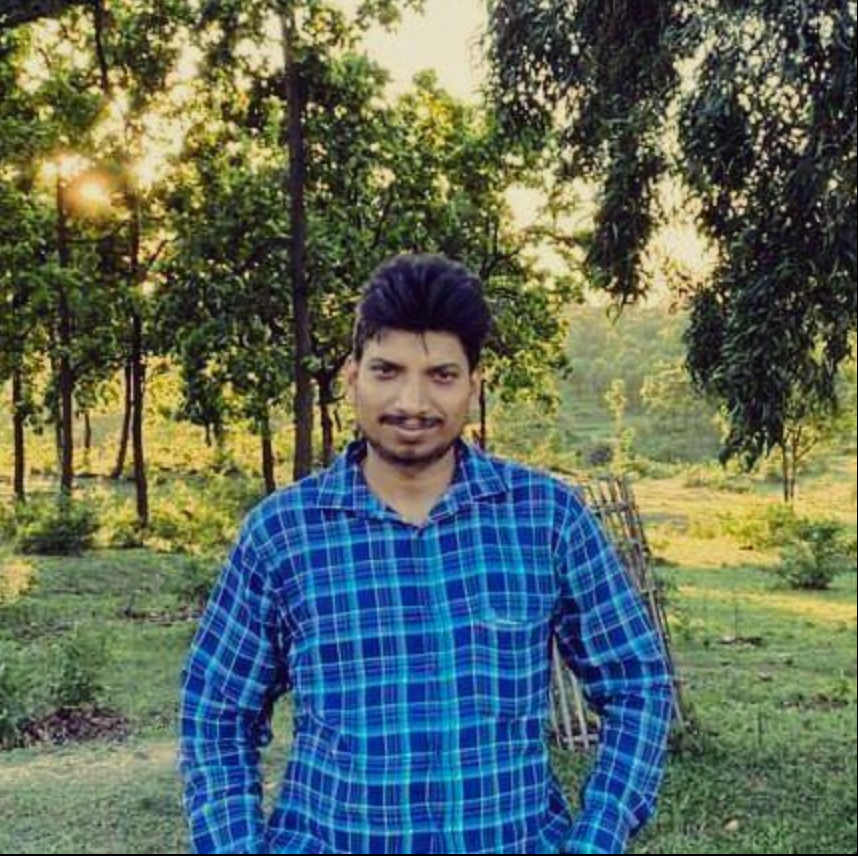
Read the account by Ipsa Shatakshi on the daily struggle to even meet Rupesh Kumar who is transferred to a jail far from his family, making it difficult for them to visit. The distance is not merely a punishment for reporting truth to power, but seeks to batter the fighting spirit of both the journalist and his family.
(Read the Account on Irfan Mehraj here)
इप्सा सताक्षी द्वारा*
3 मई अर्थात विश्व प्रेस स्वतन्त्रता दिवस, यह दिन हमें यह अहसास दिलाने के लिए मनाया जाता है कि किसी भी देश, समाज के लिए मीडिया की स्वतंत्रता की क्या अहमियत है। मीडिया सच्ची और सही खबरों, मुद्दों को तभी दुनिया के सामने ला सकता है जब इसे सेंसर न किया जाए, जब इसे सच के साथ खड़े होने पर निशाना न बनाया जाय।
अपने पेशे के साथ न्याय करने के कारण हमारे देश में कई पत्रकार साथी को शहादत देनी पड़ी है।
इस कड़ी में दक्षिणपंथी विचारधारा की आलोचक रही वरिष्ठ पत्रकार गौरीलंकेश की शहादत कभी भुलाई नहीं जा सकती।
पत्रकारों पर हमले को अगर हम इसे वैश्विक स्तर पर भी देखे तो ‘कमिटि टू प्रोटेक्ट जर्नलिस्ट’ (CPJ) के अनुसार पिछले साल यानी 2025 में दुनिया भर में कुल 129 मीडियाकर्मियों की मौत दर्ज की गई है। बताया गया कि मौतों में से दो-तिहाई के लिए इज़राइल ज़िम्मेदार था।
हमारे जेहन में पिछले साल की एक घटना से संबंधित वीडियों के विचलित करने वाले दृश्य जेहन में कौंध जाते है, जब गाजा में एक अस्पताल के बाहर मौजूद एक मीडिया टेंट को लक्ष्य कर हमला किया गया जिसमें एक पत्रकार हिलमी अल फकावी जिंदा जल गए, और कई पत्रकार बुरी तरह घायल हो गए।
अगर हम बात अपने देश की करें तो ‘रिपोर्टर्स विदाउट बॉर्डर्स’ के अनुसार विश्व प्रेस सूचकांक 2026 में भारत का स्थान कुल 180 में 157 वां है। जो कि साल 2025 में भारत का स्थान कुल 180 में 151वां था। स्पष्ट है कि भारत में प्रेस की स्वतंत्रता और ज्यादा चुनौतीपूर्ण बनती जा रही है।
भारत, जिसे विश्व का बड़ा लोकतांत्रिक देश कहा जाता रहा था, अभिव्यक्ति की स्वतंत्रता को कुचलने में अग्रणी बनता जा रहा है। पत्रकारों को मार डालना, मनगढ़ंत आरोप लगाकर जेल भेज देना, नौकरी से निकाल देने जैसे हथियारों से लगातार निशाना बनाया जा रहा है।
पत्रकारों जिसमें स्वतंत्र पत्रकार, कोई मीडिया हाउस या यूट्यूबर कोई भी हों, जो सच के साथ है वह निशाने पर आऐगा।
वर्तमान समय में झारखंड के स्वतंत्र पत्रकार रूपेश कुमार सिंह हो या कश्मीर के इरफान मेराज दोनों को ही काले कानून यूएपीए के तहत जेल में कैद कर रखा गया है, जो एक लोकतांत्रिक देश कहे जाने वाले देश के सामने एक बड़ा प्रश्न चिन्ह खड़ा करता है। इरफान मेराज 20 मार्च 2023 से जेल में बंद है तो वही रूपेश कुमार सिंह की गिरफ्तारी 17 जुलाई 2022 को की गई थी। और गिरफ्तारी के बाद उनपर एक एक कर तीन केस और लगा दिए गए।
रूपेश कुमार सिंह को उनके जमीनी और साहस से भरे पत्रकारिता के लिए जाना जाता है। रूपेश बिना लाग लपेट के आदिवासियों पर नक्सल उन्मूलन के नाम पर किए जा रहे अन्याय को सामने रख रहे थें, उन सभी अमानवीय बर्ताव को अपने लेखन के माध्यम से सामने ला रहे थे, जो राज्य को कठघडे में खड़ा करता है, और यही वजह है कि इनपर एक नहीं कई मामले दर्ज कर लम्बे वक्त तक के लिए इनको और इनकी आवाज को कैद करने का काम किया जा रहा है।
रूपेश के दूसरे जेल जीवन अर्थात 17 जुलाई 2022 से लेकर आज 3 साल 9 महीने 17 दिन हो चुके हैं। और इन दिनों के दौरान उन्हें झारखंड- बिहार के कुल 4 जेलों में और 5 बार जेल ट्रांसफर किया जा चुका है। जिनमें झारखंड के दो जेल और बिहार के दो जेल शामिल हैं।
जेल में बंद पत्रकार रूपेश कुमार सिंह की जीवन साथी के तौर पर मेरा अनुभव
कुछ पत्रकार साथियों द्वारा मुझसे यह पूछा गया कि क्या ‘विश्व प्रेस स्वतंत्रता दिवस’ पर रूपेश भी कुछ लिखेंगे?
पर, इसका जवाब मुझे खुद नहीं पता क्योंकि रूपेश से पिछले 7 दिनों से बात नहीं हो पाई है। और हमारे जेल की स्थिति यह बिल्कुल ही नहीं है कि वहां के अधिकारियों से इस संबंध में बातचीत की जा सके। उनकी नजर में एक पेशेवर अपराधी और राजनीतिक बंदी के बीच कोई अंतर नहीं होता है। उलट किसी हत्या के आरोपी को सामान्य वार्ड में जगह दी जा सकती है, पर रूपेश जैसे बुद्धिजीवी को वे ज्यादा संवेदनशील मानते हैं और हाई सिक्यूरिटीज सेल में रखना जरूरी समझते हैं। किसी जरूरी मुद्दे को लेकर इन अधिकारियों से गलती से एक बार काॅल पर बात हो भी जाए तो अगले ही पल ये वह नबंर ब्लॉक कर देते हैं।
रूपेश वर्तमान में भागलपुर के शहीद जुब्बा सहनी केंद्रीय कारा में पिछले 09 अप्रैल 2026 को पटना के आदर्श केन्द्रीय कारा,बेऊर से प्रशासनिक ट्रांसफर के नाम पर भेजे गए हैं। और पटना के जेल में भी और यहां भी सेल में ही बंद किए गए हैं। जहां न तो इन्हें जेल मैन्युअल के हिसाब से खान पान ही दिया जा रहा है न ही स्वास्थ्य संबंधित सुविधा और उपचार। एक छोटे से उदाहरण से आप जेल की स्थिति समझ सकते हैं, गर्मी की शुरुआत हो गई है, अब यहाँ सप्ताह में लगातार चार से पांच दिन कटहल की ही सब्जी मिल रही है कटहल जैसी सब्जी वह भी चार पांच दिन लगातार। और यह क्रम तबतक चलेगा जबतक जेल के कटहल के पेड़ के कटहल खत्म न हो। इसके बाद दिन रात की सब्जी में मूली का नंबर आएगा क्योंकि तबतक मूली का सीजन आ चुका होगा और उस जेल के खेत में खूब मूली होगी।
मतलब जेल के अंदर भी अलग-अलग तरह से प्रताड़ना। इसी जेल में जब रूपेश को पहली बार 2024 में ट्रांसफर किया गया था, यहां की स्थिति बदतर थी, रूपेश और उन जैसे अन्य बंदियों के संघर्ष से थोड़ा-बहुत सुधार हुआ था, पर इस बार रूपेश ने बताया कि फिर से वही स्थिति बनाई जा चुकी है।
संघर्ष जारी है.
(*इप्सा शताक्षी एक कवयित्री और कार्यकर्ता हैं, जो झारखंड में आदिवासी (मूलनिवासी) समुदायों के अधिकारों के लिए संघर्ष कर रही हैं। वह पत्रकार रूपेश कुमार सिंह की पत्नी हैं और उनकी रिहाई के लिए अभियान चला रही हैं।)
——————————
Caged: Why World Press Freedom Day Matters to Journalists Behind Bars
By Ipsa Shatakshi*
May 3rd—World Press Freedom Day—is observed to remind us of the paramount importance of media freedom for any nation or society. The media can bring accurate news to the world’s attention only when it is not subjected to censorship, and when it is not targeted for standing by the truth.
In our country, numerous fellow journalists have had to pay the ultimate price—martyrdom—for striving to do justice to their profession. In this context, the martyrdom of senior journalist Gauri Lankesh—a staunch critic of right-wing ideology—can never be forgotten. If we examine attacks on journalists on a global scale, the Committee to Protect Journalists (CPJ) reports that in 2025—a total of 129 deaths of media personnel were recorded worldwide. It was reported that Israel was responsible for two-thirds of these fatalities.
Disturbing visuals from a video of an incident that occurred last year flash through our minds—an attack targeting a media tent situated outside a hospital in Gaza, in which journalist Hilmi Al-Fakawi was burned alive, and several other journalists were critically injured.
Turning our attention to our own country, according to ‘Reporters Without Borders,’ India ranks 157 out of 180 nations in the 2026 World Press Freedom Index, down from 151 in 2025. It is evident that press freedom is becoming increasingly challenging in India, long hailed as the world’s largest democracy but is fast becoming a frontrunner in stifling freedom of expression. Journalists are being relentlessly targeted through tactics such as murder, imprisonment on fabricated charges, and dismissal from their jobs. Regardless of who they are—be they independent journalists, members of a media house, or YouTubers—anyone who stands by the truth inevitably becomes a target.
Currently, independent journalists like Rupesh Kumar Singh from Jharkhand and Irfan Mehraj from Kashmir are both languishing in prison under the draconian UAPA law; a situation that casts a massive question mark over a nation that claims to be a democracy. While Irfan Mehraj has been incarcerated since March 20, 2023, Rupesh Kumar Singh was arrested on July 17, 2022. Following his arrest, three additional cases were slapped against him, one after another.
Rupesh Kumar Singh is renowned for his grassroots-level and courageous journalism. Rupesh was fearlessly exposing—without any equivocation—the injustices being perpetrated against tribal communities in the name of “Naxal eradication.” Through his writing, he was bringing to light various inhumane acts that effectively put the State in the dock. This is precisely why multiple cases—rather than just one—have been filed against him, in a concerted effort to silence his voice and keep him imprisoned for an extended period.
It has now been 3 years, 9 months, and 17 days since Rupesh began his second stint in prison on July 17, 2022. During this period, he has been transferred five times across a total of four different prisons, two in Jharkhand and two in Bihar.
My Experience as the Life Partner of Jailed Journalist Rupesh Kumar Singh
Some fellow journalists asked me whether Rupesh, too, would be writing something for ‘World Press Freedom Day.’ However, I do not know the answer to this myself, as I have been unable to speak with Rupesh for the past seven days.
Furthermore, the situation at our jails is such that it is impossible to engage in any dialogue with the officials there regarding this matter. In their eyes, there is absolutely no distinction between a professional criminal and a political prisoner. On the contrary, while an individual accused of murder might be allotted space in a general ward, they deem an intellectual like Rupesh to be a “highly sensitive” inmate and consider it necessary to confine him in a high-security cell.
Even if one were to manage to speak with these officials over the phone, they would block that number the very next moment.
Rupesh was administratively transferred from the Adarsh Central Jail in Beur, Patna, to the Shaheed Jubba Sahni Central Jail in Bhagalpur on April 9, 2026. Both in the Patna jail and here, he has been kept confined within a solitary cell. In this cell, he is being provided neither food and nutrition in accordance with the jail manual, nor with adequate medical treatment.
You can grasp the grim reality of the jail’s conditions through a simple example: with the onset of summer, the inmates are now being served jackfruit curry—and *only* jackfruit curry—for four to five consecutive days each week. This cycle will persist until the entire stock of jackfruit from the trees within the jail premises is exhausted. Following this, radish will take their turn as the staple vegetable for both day and night meals, as the radish season would have arrived, and the jail’s agricultural fields would be teeming with them.
In essence, it amounts to various forms of torture being inflicted even within the confines of the jail.
When Rupesh was first transferred to this very jail in 2024, the conditions were abysmal; while some minor improvements were subsequently achieved through the struggles waged by Rupesh and other inmates like him, Rupesh has informed me that, this time around, the situation has reverted to those same deplorable conditions.
The struggle continues.
(*Ipsa Shatakshi is a poet and activist over the rights of the Adivasi (indigenous) communities in Jharkhand. She is the wife of journalist Rupesh Kumar Singh and has been campaigning for his release from imprisonment).
Related

Commentaries